


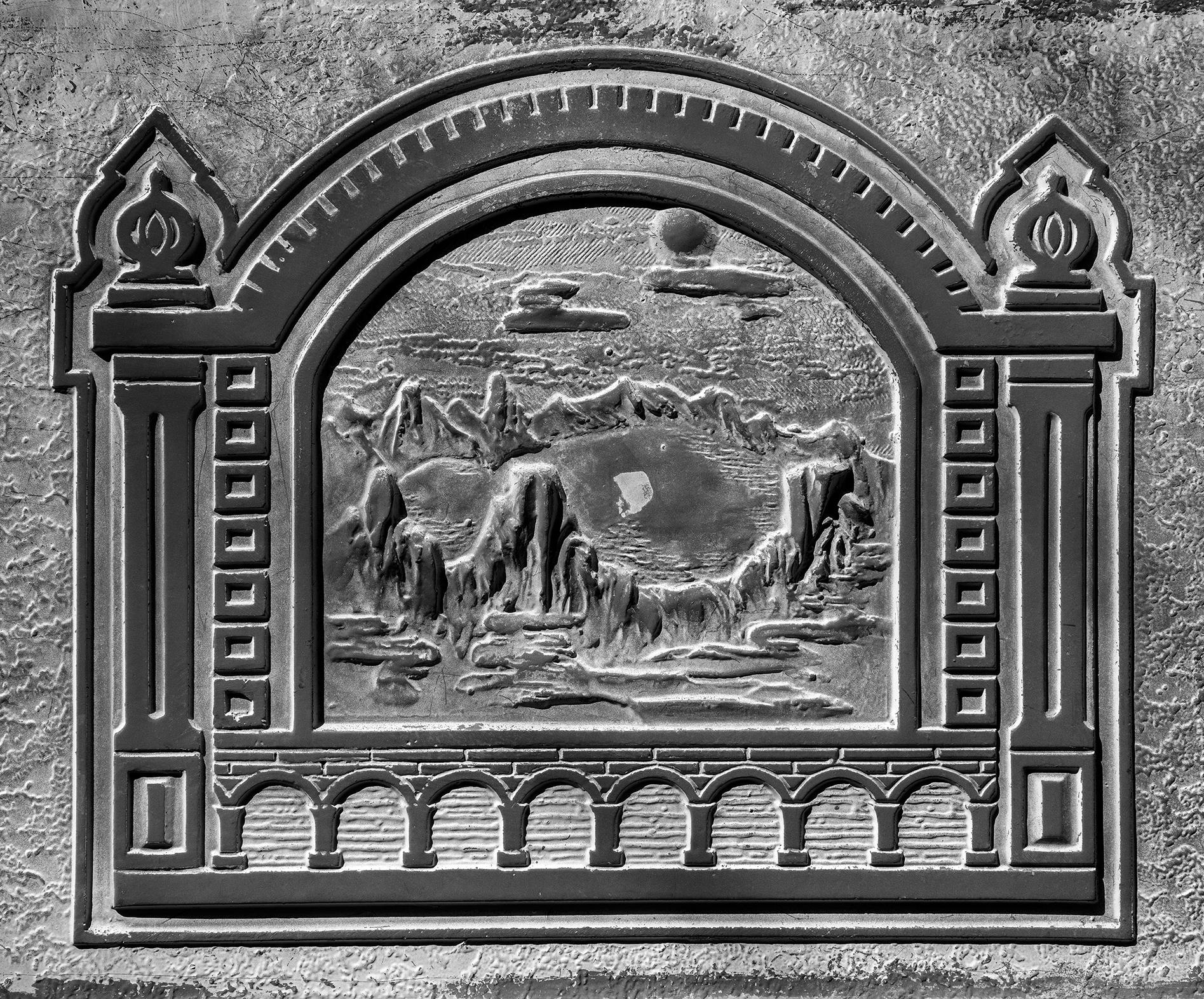


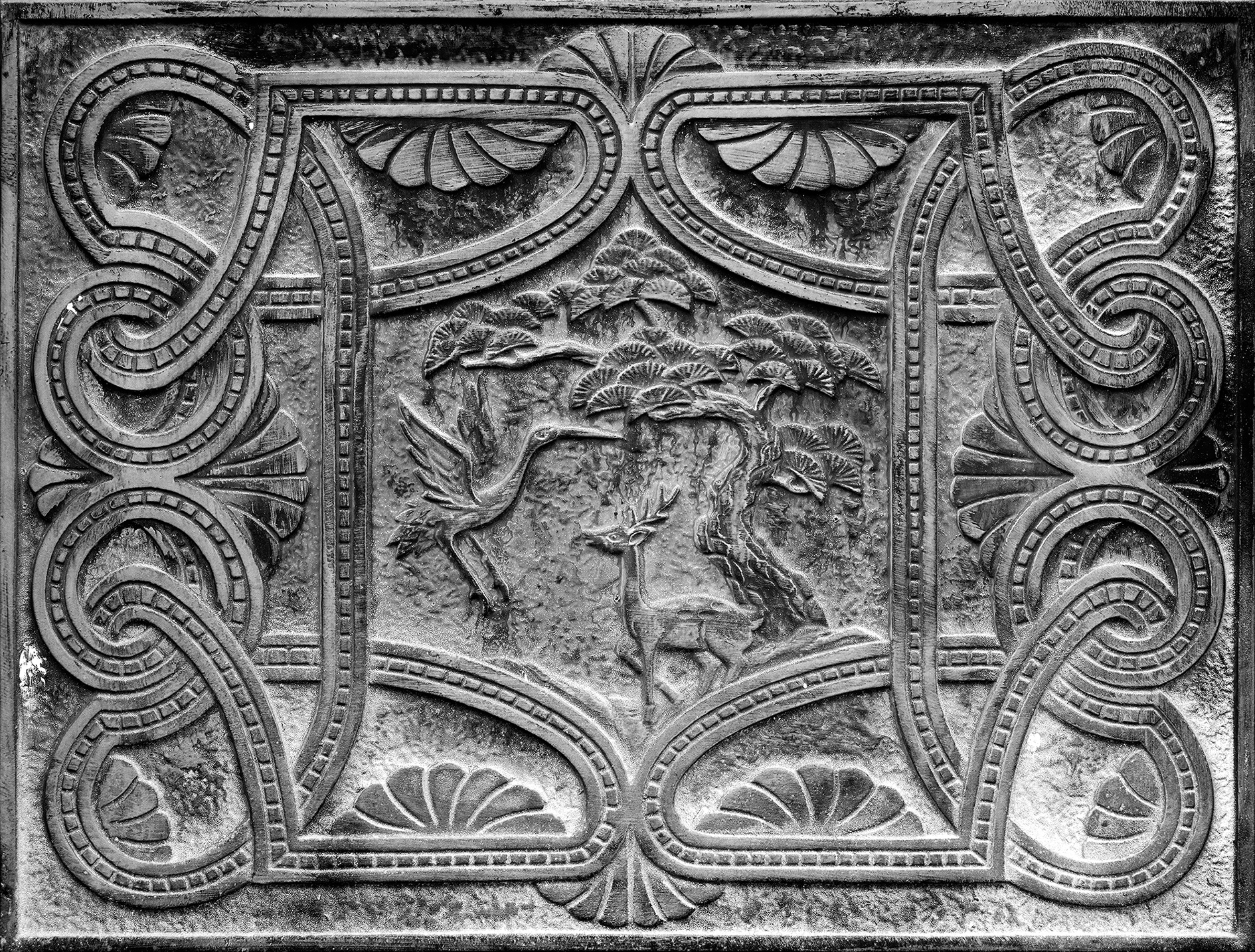
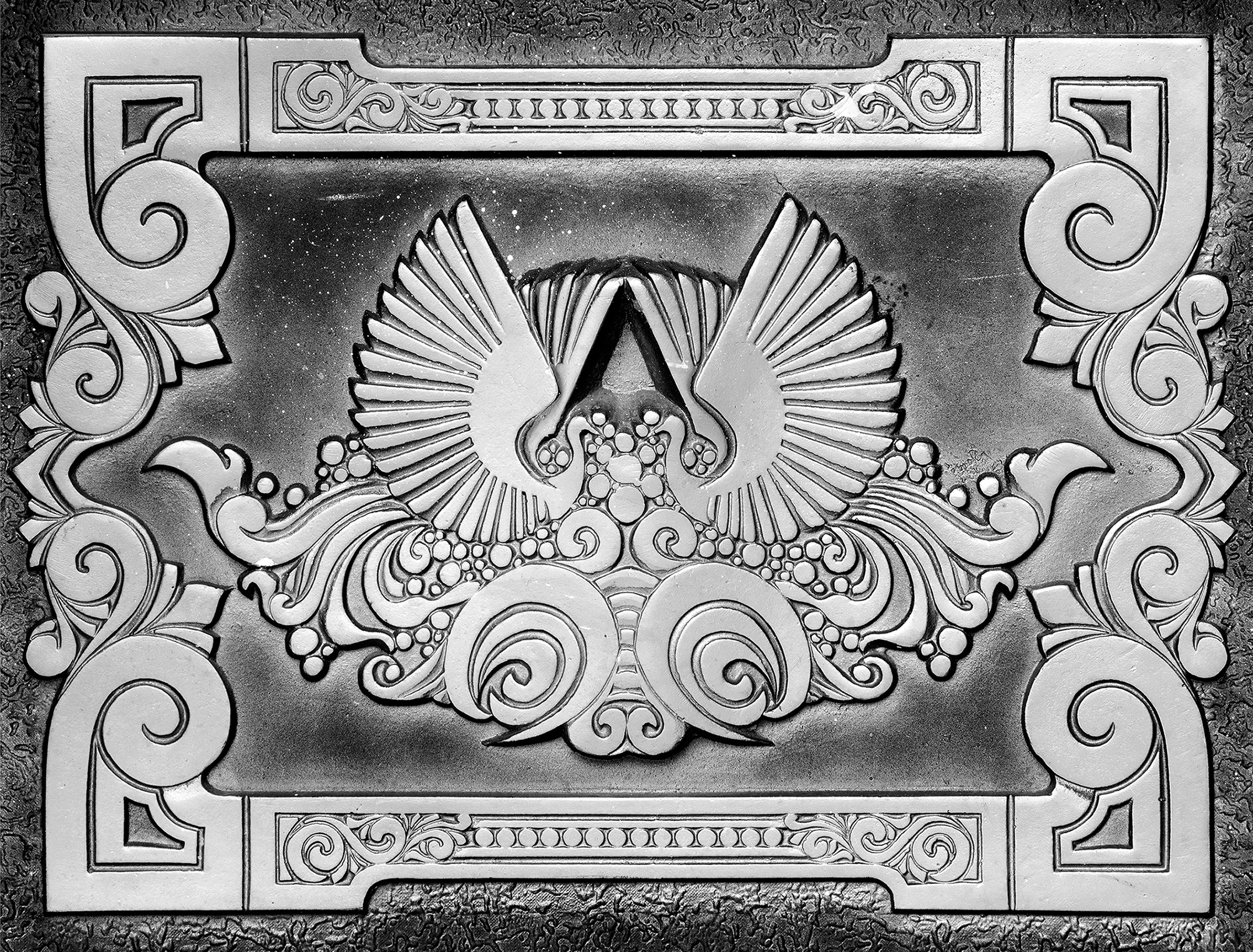
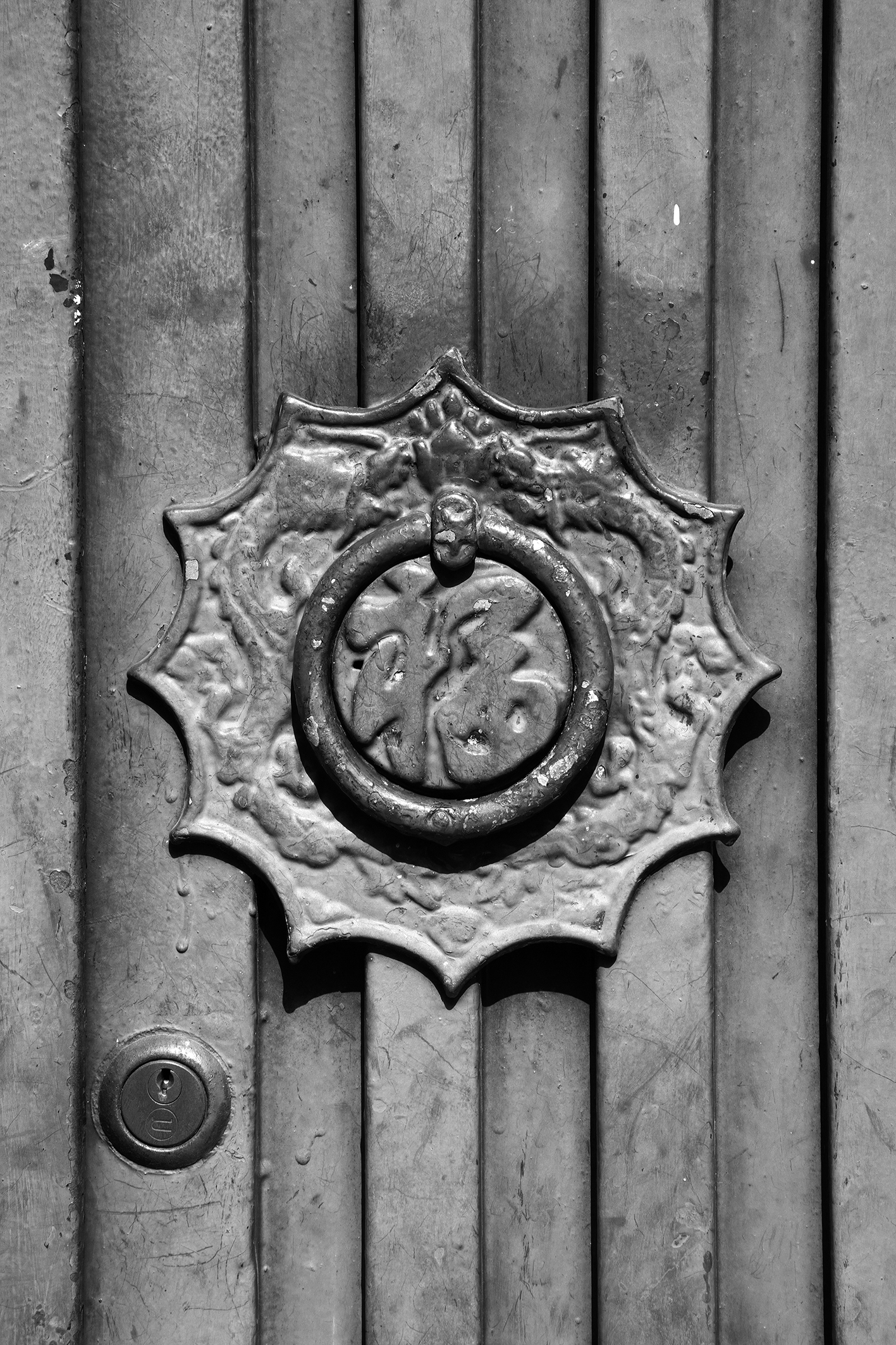


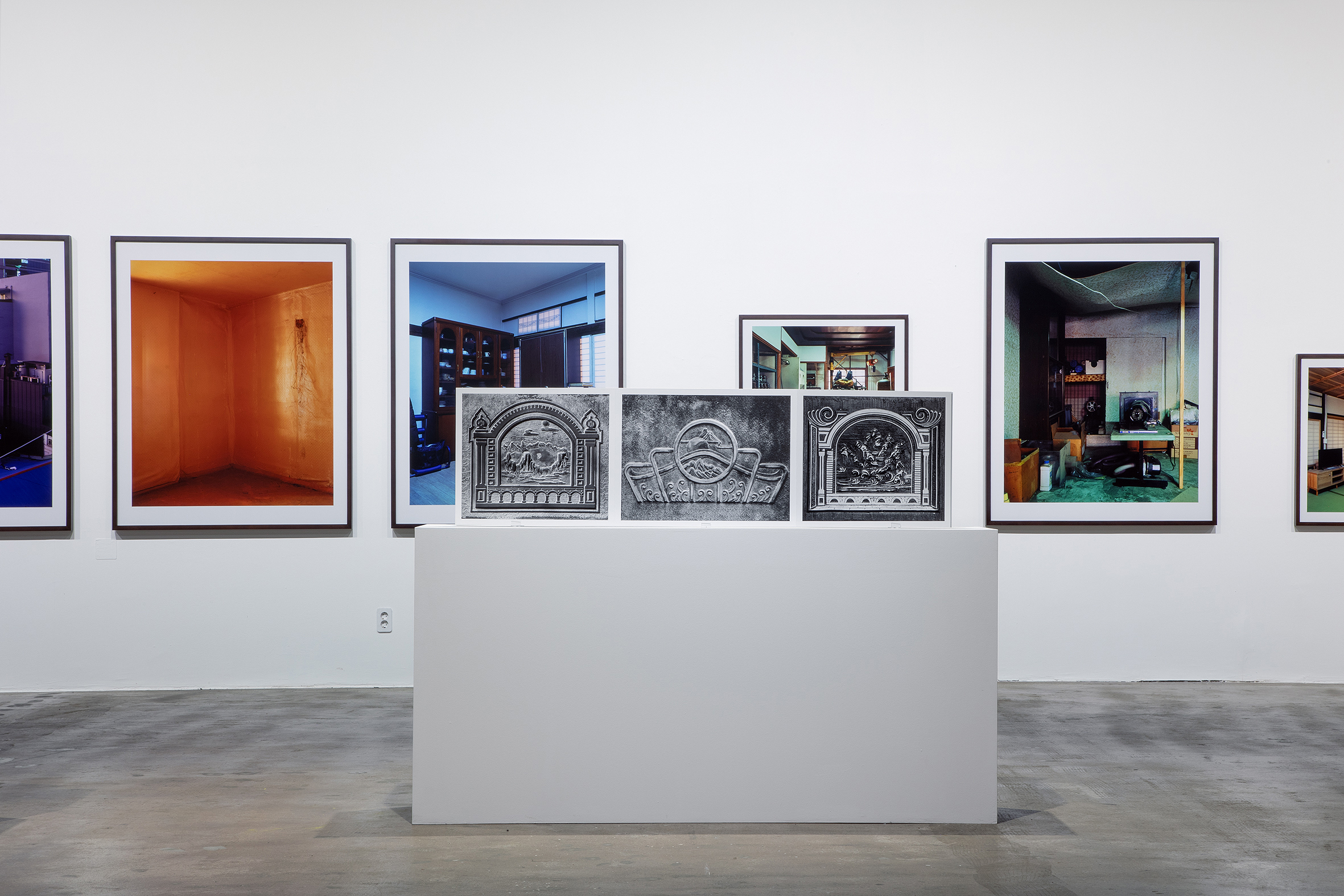
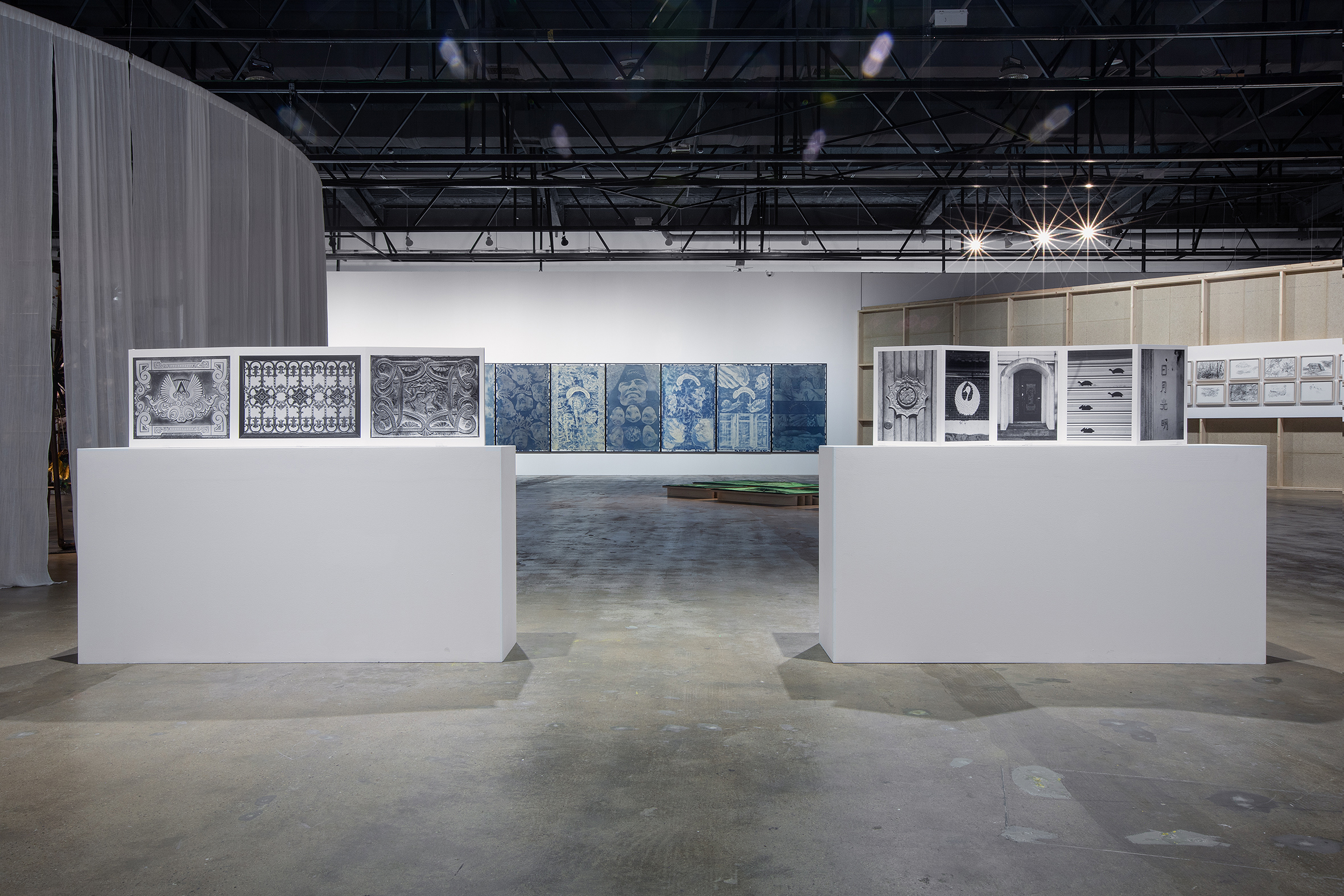

Prosperity (祈福)
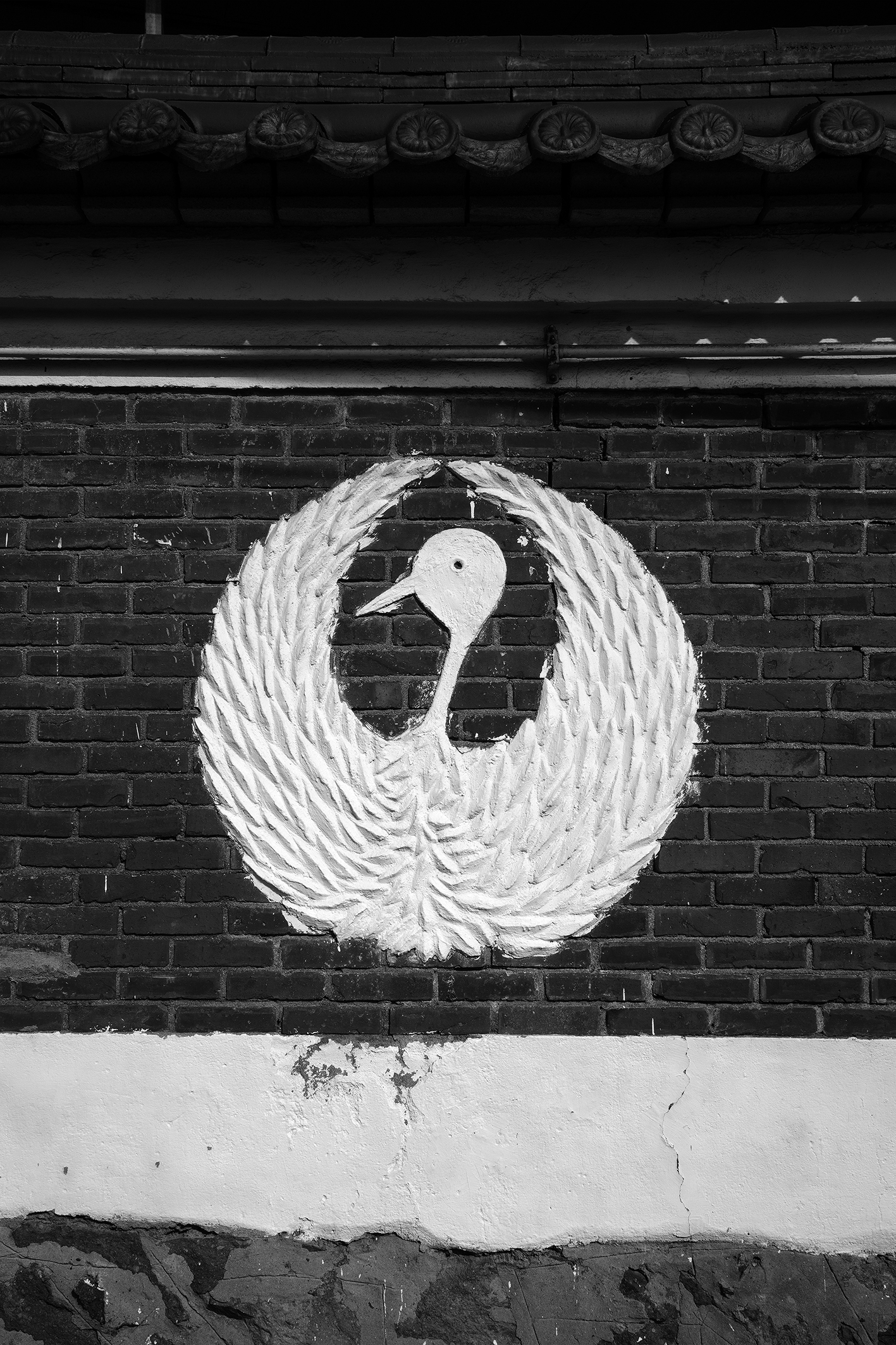
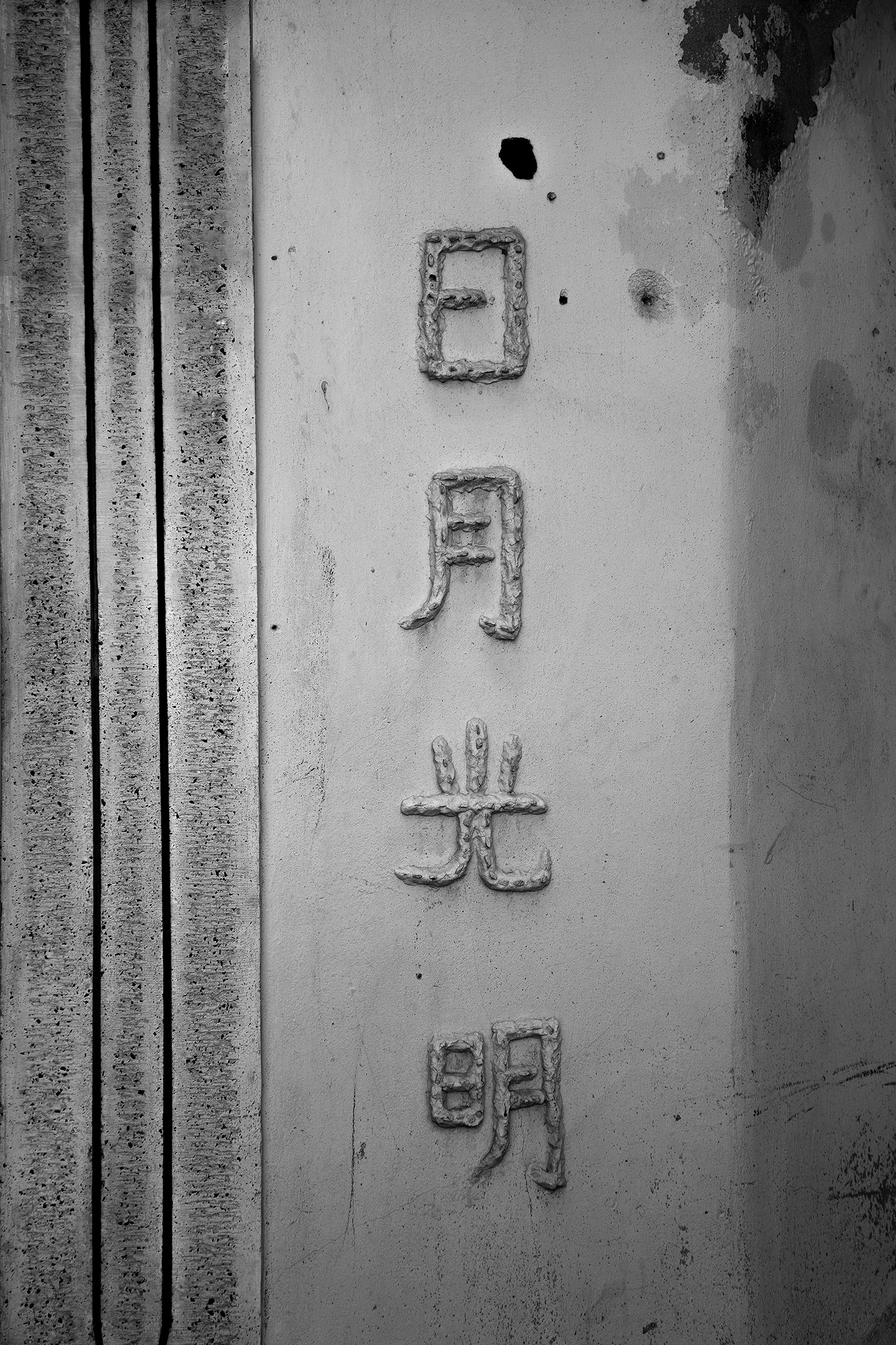
The act of seeking prosperity through prayers for successful hunting, gathering, and farming can be considered a universal human practice. Roof ridge figurines (Eocheoguni, decorative anthropomorphic figures placed atop palace roof ridges) on the palace roofs of the Joseon Dynasty, guardian mask tiles (Gwimyeonmangwa, roof tiles bearing demon-face motifs to ward off evil spirits) on traditional Korean houses (Hanok), door guardian paintings (Munbaedo, paintings of divine gate guardians posted on main gates to repel malevolent forces) and paintings of the ten symbols of longevity (Sipjangsaengdo) hung inside homes can all be viewed as acts of seeking prosperity, aimed at warding off misfortune and wishing for the health and longevity of the family. This tradition has expanded and transitioned to the interiors and exteriors of modernized houses (such as Western-style houses, villas (low-rise multi-unit residential buildings), and commercial-residential buildings) that succeeded traditional hanoks. In particular, motifs like the ten symbols of longevity (Sipjangsaeng) and the twelve guardian deities of the zodiac (Sibijisin) are commonly found on front gates, entrance doors, walls, and parking shutters, often created using metal casting or mortar techniques. Interestingly, these patterns sometimes draw directly from Buddhism and Taoism, while also incorporating and combining motifs found in Art Nouveau, mosques, Greek temples, and the traditional cultures of Korea, Japan, and China. This can be seen as a boundary-less culture of prosperity-seeking, where individuals and families blend numerous sacred elements across religions, nations, and eras to pray for their own benefit. It serves as a vivid example of how culture continuously evolves through people, transcending rigid frameworks of ethnicity and tradition.
︎
기복
(祈福)
인류가 성공적인 수렵과 채집, 농사를 위해 하늘에 복을 기원하던 ‘기복(祈福)’ 행위는 인류의 보편적인 행위라 말할 수 있다. 조선 시대의 궁 추녀마루 위의 어처구니(궁궐 추녀마루 위에 올리는 잡상형 장식 인물상), 한옥의 귀면망와(鬼面望瓦, 귀신 얼굴 문양의 장식 기와), 집 대문에 붙이던 문배도(門排圖, 대문에 붙여 악귀를 물리치는 수문장 그림), 집 내부 등에 걸어 놓던 십장생도 등은 집에 들어오는 악재를 막고 가족의 무병장수를 바라는 기복 행위의 산물이라 할 수 있다. 이는 전통 한옥 이후 근대화한 주택(양옥, 빌라, 상가주택 등)의 내·외부에 확장, 전이되는데 특히 대문, 현관문, 담벼락, 주차장 셔터 등에 십장생, 십이지신 문양을 기본으로 주물, 모르타르 방식으로 자리한다. 흥미롭게도 이 문양은 주로 불교, 도교의 것을 그대로 가지고 온 것도 있고 아르누보, 이슬람 사원, 그리스 신전, 한국, 일본, 중국의 전통문화에서 발견되는 문양과 모티브를 차용하고 조합하여 만들어진 것이다. 개인 또는 가족의 기복을 위해 종교, 국가, 시대를 넘어 ‘신성한’ 많은 것을 융합해 만든 경계 없는 기복 문화라 할 수 있다. 이는 민족, 전통이라는 딱딱한 틀을 넘어, 문화가 사람들에 의해 어떻게 끊임없이 변화하는지를 조망할 수 있는 사례라고 할 수 있다.
︎︎
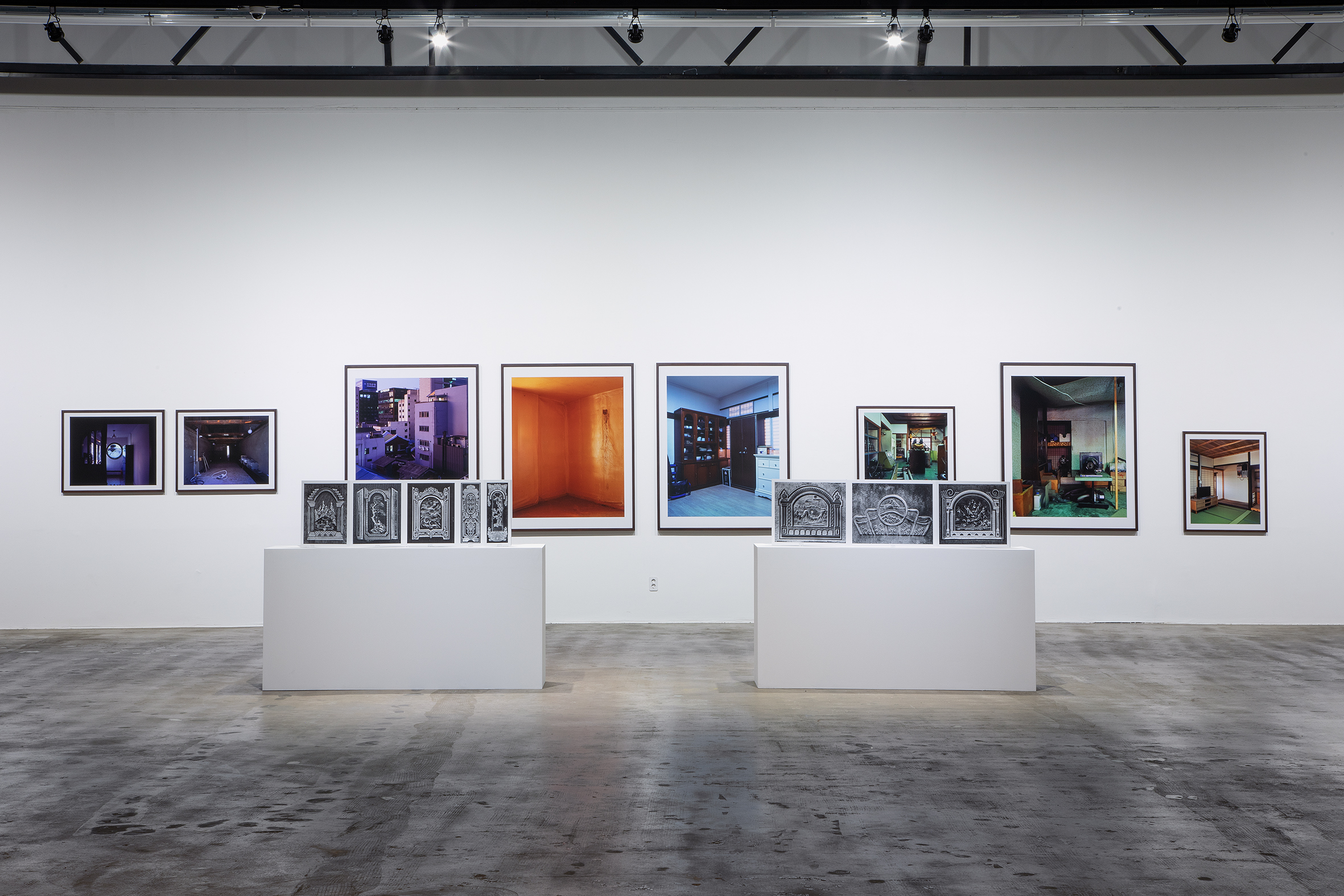
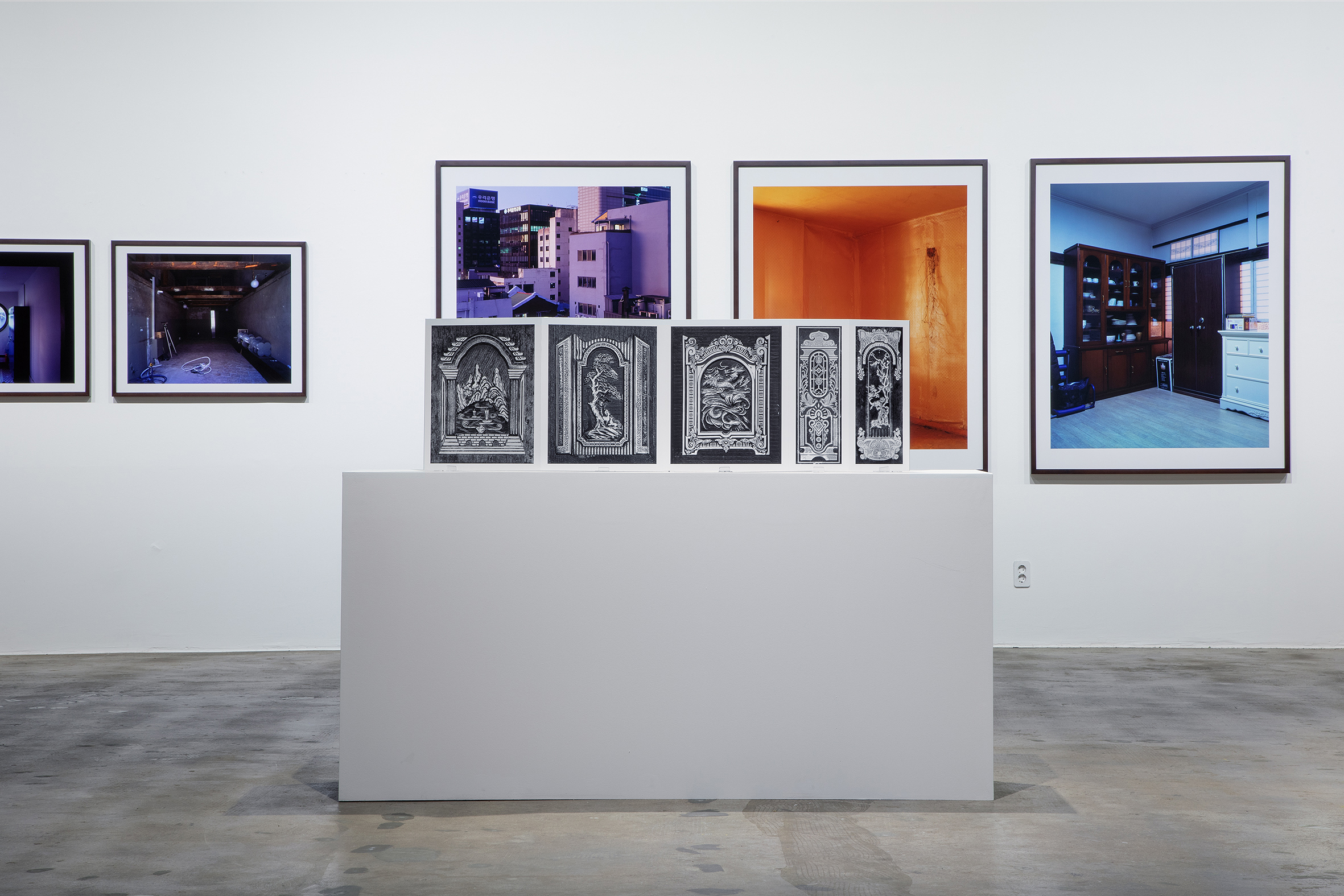
Production Period : 2022 - / Media : Pigment Print / Size Variable / Location : Incheon, Busan,
Seoul, Gwangju, Jeongeup, Mokpo, Bucheon, Youngwall, South Korea / Number of Works : 50 + Title (From the Top) : Prosperity(祈福)01, 03,
04,
02 /
Installation View of ‘ Soft and Weak like Water
‘, the 14th Gwangju Biennale
2023.